Blue Cheeses
Traditional Spanish blue cheeses with the character of the Picos de Europa, including PGI Valdeón and PDO Cabrales.
-
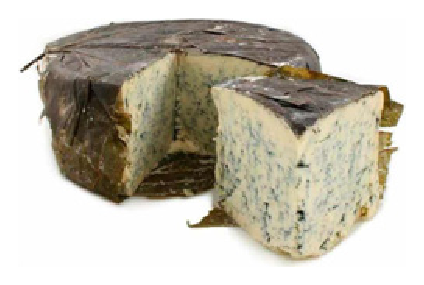
Blend of cow's and goat's milk matured in caves, sometimes wrapped in chestnut leaves; spicy yet balanced and creamy.
-
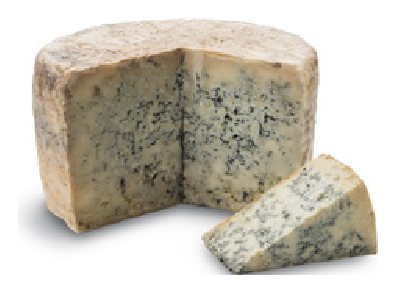
Matured in the natural caves of the Picos de Europa; intense, spicy profile, a jewel of Asturian tradition.
-
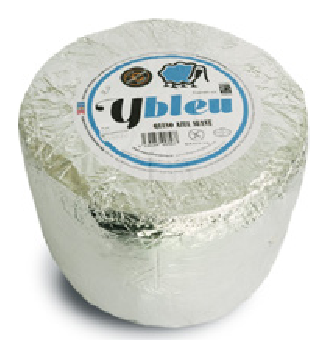
Large-format blue cheese for extended maturation; firm texture and persistent flavour with pronounced veins.
-
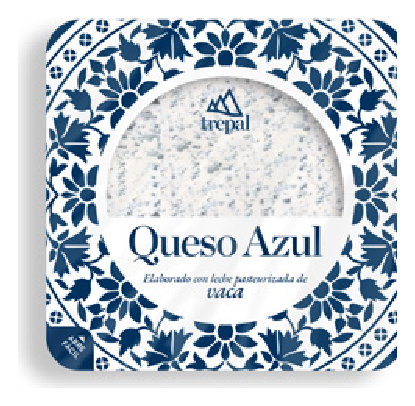
Cow's milk blue with a creamy paste and even veins; intense, salty and tangy. Great for boards, sauces and pairings.
-
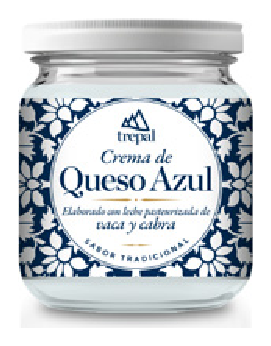
A whipped, spreadable version of blue cheese. Ideal for spreading, cooking or making sauces.


Spanish blue cheeses come from the limestone caves of the Picos de Europa, where cool, humid air lets natural moulds develop slowly inside the paste. The result is a family of cheeses with more character than most industrial blues: Cabrales PDO from Asturias, made with cow's milk or a blend with goat's and sheep's milk and matured in natural caves; Valdeón PGI from León, a cow's and goat's blend traditionally wrapped in chestnut leaves; and cow's milk blues with a creamier, milder profile for everyday retail.
Range and formats
The range covers Cabrales PDO and Valdeón PGI, Ybleu large-format blue for extended maturation, cow's milk blue and a whipped blue cheese cream in jars and tubs. Whole wheels are typically 2.7 to 3 kg; wedges are available in 100 g and 200 g and as pre-cut portions; blue cheese cream comes in 100 to 200 g jars and 1 to 2 kg tubs for foodservice.
Who buys Spanish blue cheese
Cheese counters and delicatessen chains looking to widen their blue selection beyond French and Italian references, HoReCa buyers who need a consistent blue for sauces, salads and burgers, and food-processing companies that use blue cheese cream as an ingredient. Blue cheeses travel chilled and their long maturation gives them a comfortable shelf life for export.